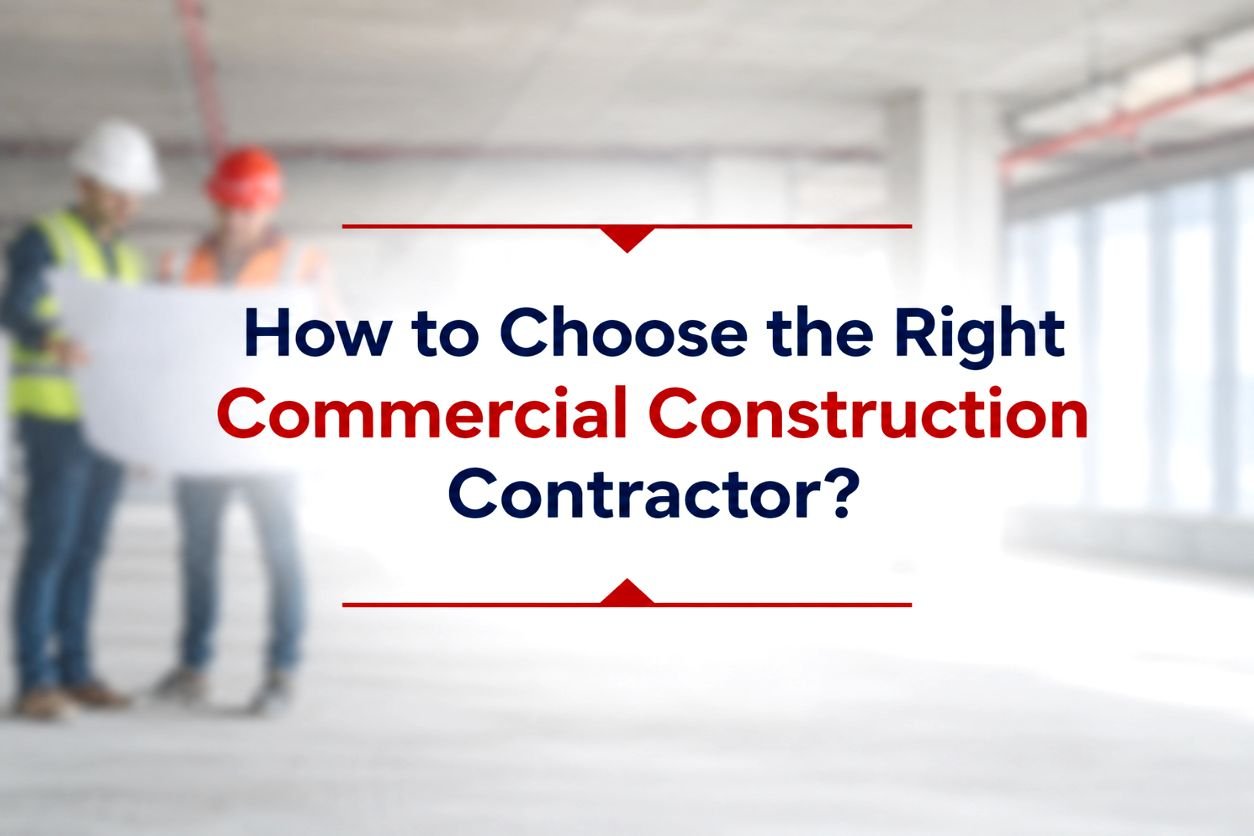
Your building’s long-term performance, safety compliance, budget, and schedule will all be impacted by the contractor you select. In contrast to residential projects, commercial construction entails greater risk, larger teams, tougher laws, and increased collaboration with governments, engineers, and inspectors. This is why it’s so important to have a clear contractor hiring checklist. This article will walk you through the crucial factors to take into account when hiring a contractor for a commercial building project.
Verify Experience with Commercial Projects
A commercial building is more than just “bigger residential work.” It necessitates a specific understanding of site logistics, inspections, and codes. Ask questions like:
- Which kinds of facilities are you an expert in?
- A contractor with a track record of success in business will foresee difficulties before they become issues.
- How many business initiatives have you finished?
- Have you worked on projects similar to mine in terms of scale and scope?
There are specific building needs, safety regulations, and scheduling issues for office buildings, warehouses, manufacturing facilities, healthcare facilities, and retail locations. Instead of finding out how long a contractor has been in business, find out about projects that resemble yours.
Seek References and Testimonials
Using references and testimonials to evaluate a contractor’s performance history yields insightful information. Get a list of previous customers you may get in touch with. You may get firsthand details about the contractor’s professionalism, communication, and project delivery by speaking with these clients. Reviews and ratings from prior customers are frequently shown on online platforms and industry websites. These evaluations may offer new insights into the contractor’s performance.
Verify Licensing and Insurance
Make sure any contractor you are considering has the appropriate insurance and license before proceeding. Commercial construction projects involve a great deal of responsibility, and in the event of an unforeseen circumstance, both the contractor and the property owner are protected by appropriate insurance. When asked for paperwork, a skilled contractor should not hesitate to provide it. Later on in the project, this little step might assist in avoiding financial and legal issues.
Getting a Detailed Proposal
When signing a contract for your commercial construction project, it’s important to take your time and be cautious. Examine the following aspects of your selected contractor’s proposal to ensure a positive working relationship:
Work Scope: Make sure the proposal describes the project’s materials, labor, and deliverables. This avoids future misunderstandings.
Terms of Payment: Consider the conditions and payment schedule. A trustworthy contractor breaks down payment milestones without any issue.
Find Out the Project Manager
While some construction businesses use the owner or supervisors to monitor day-to-day operations, others use specialized project managers. It’s important to know who your main point of contact will be. Ask questions like:
- Who will be in charge of daily communication?
Throughout the project, having a dedicated contact facilitates communication and lessens misunderstanding.
- How frequently will there be updates on progress?
Everyone may remain up to speed on timetables, milestones, and any unexpected occurrences with regular updates.
Effective communication frequently keeps minor problems from growing into bigger ones.
Review the Project Timeline
There are deadlines for every business undertaking. Delays may have an impact on operations and income, whether you’re upgrading an existing office or creating a new site. Request an explanation from contractors:
- Date of anticipated completion
- Key stages of building
- Possible elements that could influence the timetable
- Date of anticipated commencement
Although no contractor can prevent every delay, skilled experts create reasonable schedules and promptly notify clients when changes are required.
Evaluate Transparency and Communication
The foundation of a successful endeavor is effective communication. What to look for is as follows:
Open Communication: A trustworthy contractor keeps the lines of communication open. They immediately resolve issues, respond to your questions, and keep you updated on the status of the project.
Pricing Transparency: A trustworthy contractor offers a thorough and open pricing breakdown. Watch out for ambiguous quotes or unstated costs.
Ask About Warranties
A trustworthy contractor needs to guarantee the quality of their job. Find out if and what is covered by workmanship guarantees. Ask about manufacturer warranties for installed systems or materials as well. Knowing what is covered by the guarantee offers you assurance that any problems that may arise after the project is finished will be handled properly.
Ending Note!
You’ll be well-prepared to choose a trustworthy commercial contractor if you carefully stick to this checklist. We at Five Star Maintenance & Construction take great satisfaction in fulfilling and surpassing these standards. With decades of experience and a solid track record, we are dedicated to meeting your commercial building demands with outstanding outcomes.
Get in touch with us right now to start a building project characterized by knowledge, openness, and dependability. Contact Us at (419) 443-0414 to book your slot!