
Spring is a good time to declutter and freshen up your home. Don’t forget about basic home maintenance.
To help you prepare for spring, we have created a checklist.
- Clear any debris out of your gutters that may have accumulated and ensure all the downspouts are directed away from your home.
- Inspect your gutter system for damage, such as holes or cracks, that may have been caused by the freezing and thawing of ice.
- Visually check the condition of your roof by looking for any damaged or missing shingles. It may also be a good idea to check your attic for any signs of leaks or moisture. If anything looks suspicious, you’ll want to have a professional inspect it.
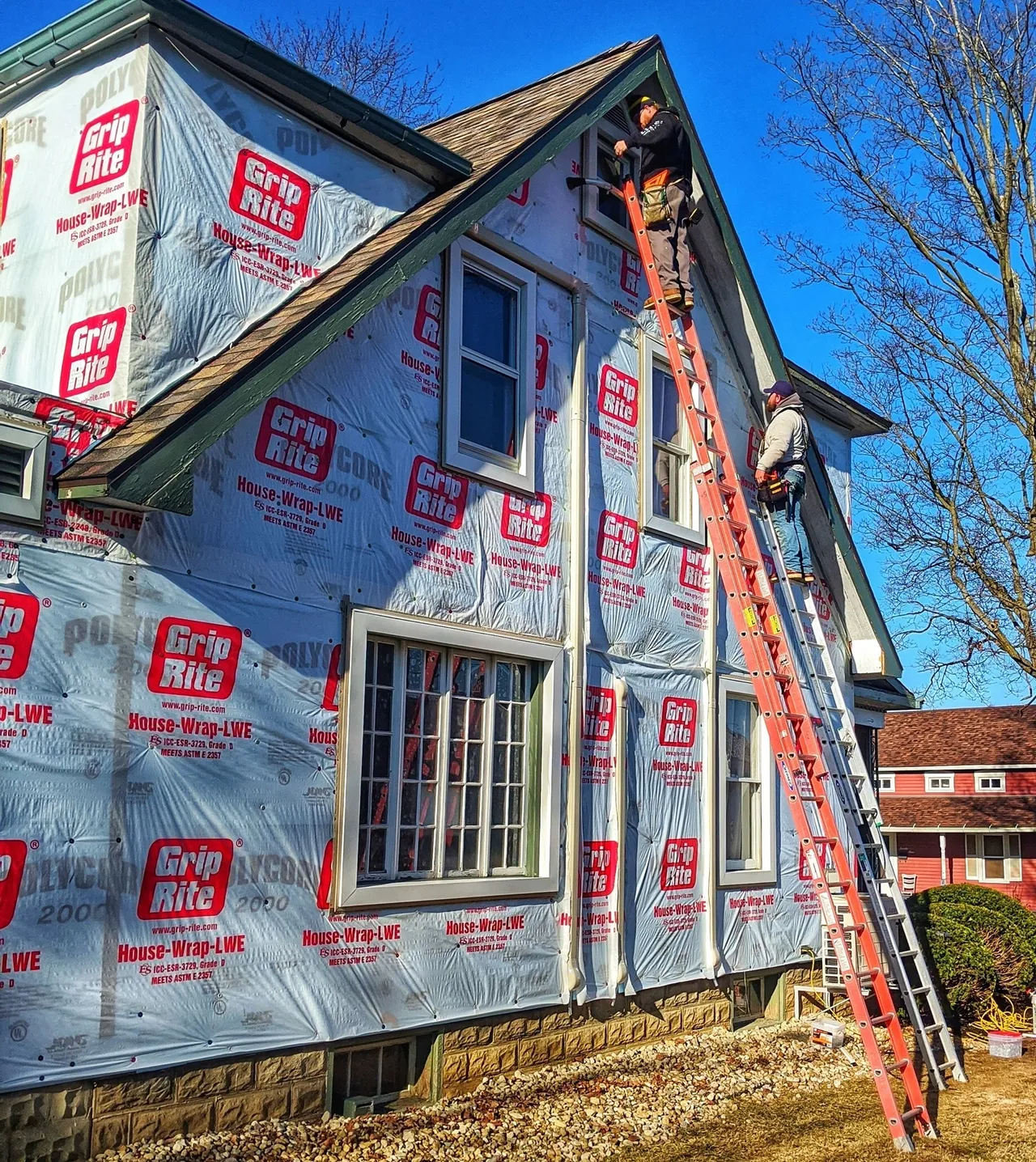
- Check your home’s siding after winter. Repair any weathered or cracked pieces. For painted wood siding, scrape off peeling paint, sand, and repaint. For brick or stucco, watch for crumbling mortar. Contact a professional for repairs or replacement if needed.
- Check your air conditioner before the weather gets warm. Inspect panels and remove debris to ensure efficient airflow. Replace the air filter every spring. Schedule a professional tune-up for potential problems and repairs.
- Weather-stripping your windows and doors is an easy and effective way to save money on your energy bill. It creates a good seal and keeps warm air inside during winter and cool air during summer. Apply weather-stripping to clean, dry surfaces when the temperature is above 20 degrees Fahrenheit.
- Replace damaged screens to prevent insects from entering your home. Assess any damage and replace what needs to be fixed.
- To prep your outdoor area for spring, trim trees and shrubs and keep landscaping away from doors and windows.
- Get your lawnmower ready by checking the owner’s manual for maintenance schedules and procedures. Typically, you’ll need to change the oil, get fresh fuel, sharpen blades, and change/clean filters.
- Clean and test your ceiling fans for spring and summer. Efficient ceiling fans can help you save up to 4 degrees Fahrenheit on your thermostat setting, according to the Department of Energy.
- Check your smoke and CO2 detectors annually, as recommended by NFPA. Long-life batteries are effective for up to 10 years, while other batteries should be replaced annually.